
Anil Rawat: Beyond the Digital Surface
Contemporary art has spent much of the past few decades dissolving old boundaries: painting into photography, drawing into technology, figuration into abstraction, the handmade into the digitally constructed. The interesting question is no longer whether an artwork was made with a brush, a camera, code or a mouse. The question is whether the artist has made the medium speak in a voice worth hearing.
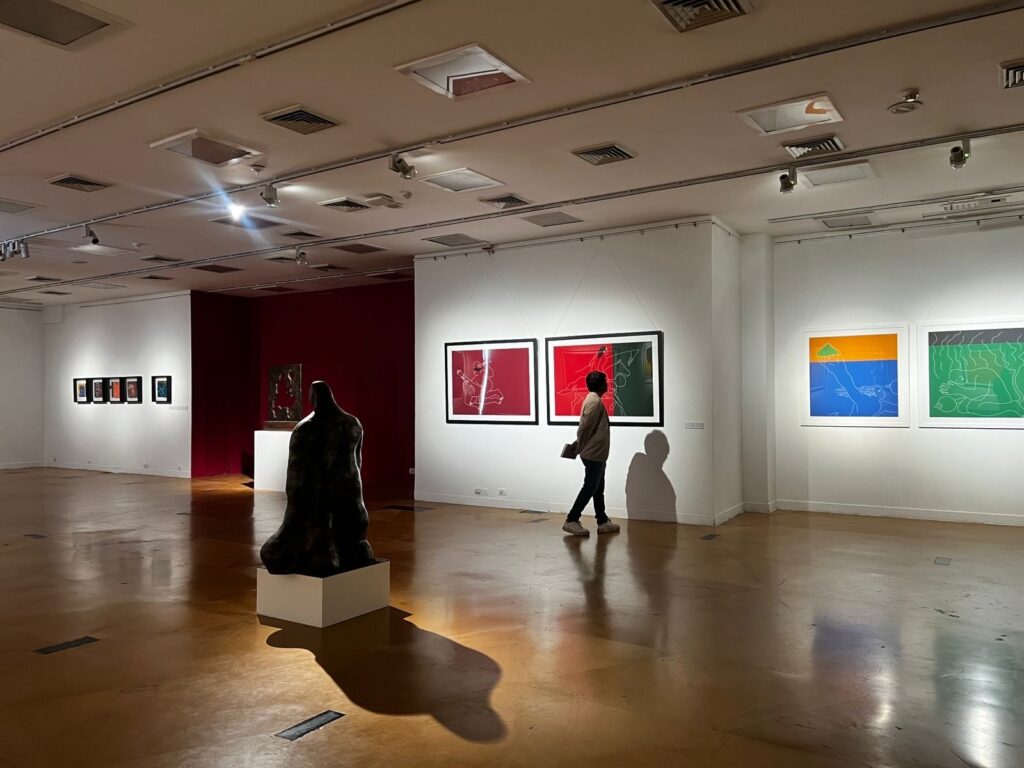
Anil Rawat has.
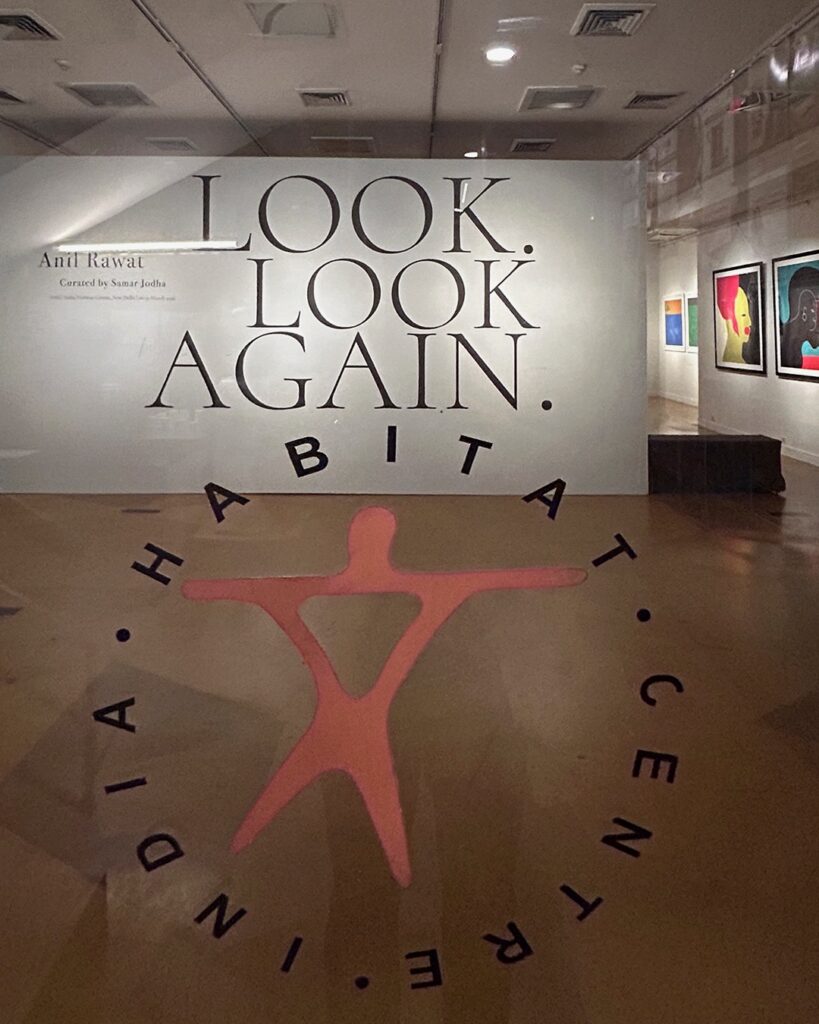
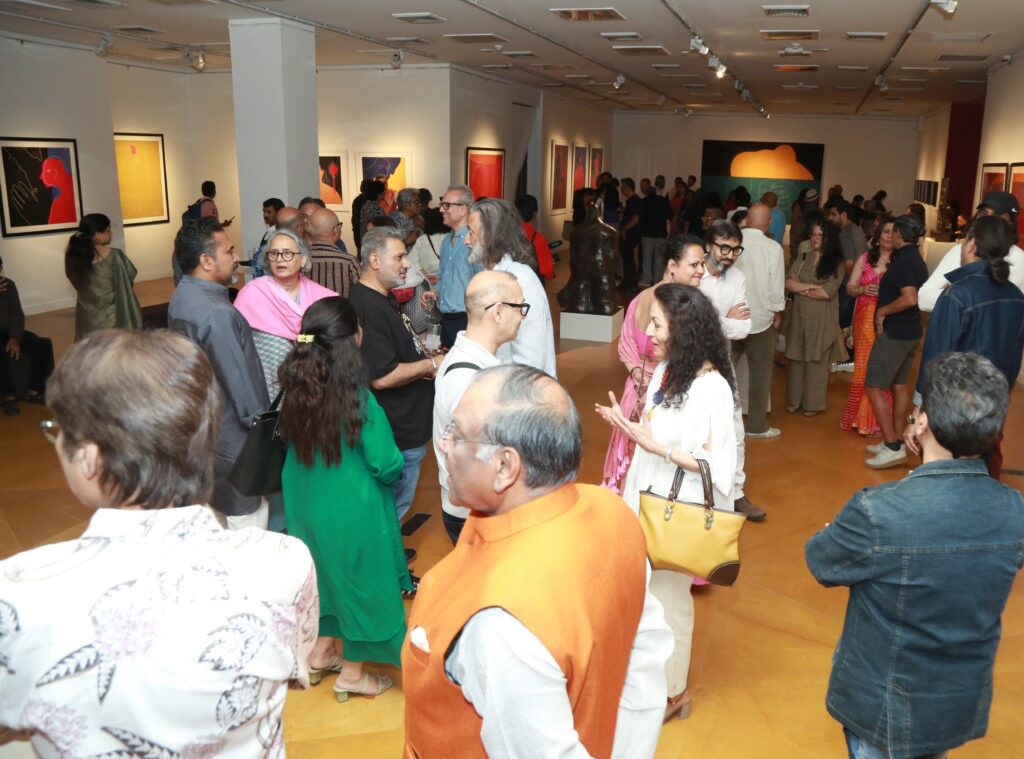
A gold medallist from Delhi College of Art, Rawat brings to his practice decades of visual discipline, including a highly awarded career in advertising. His work has been exhibited at IGNCA, Indian Habitat Centre and Ravindra Bhawan, and is held in private collections in India, Singapore, the United Kingdom and the United States. His practice now encompasses digital works, large-format giclée prints, drawing, and sculpture.
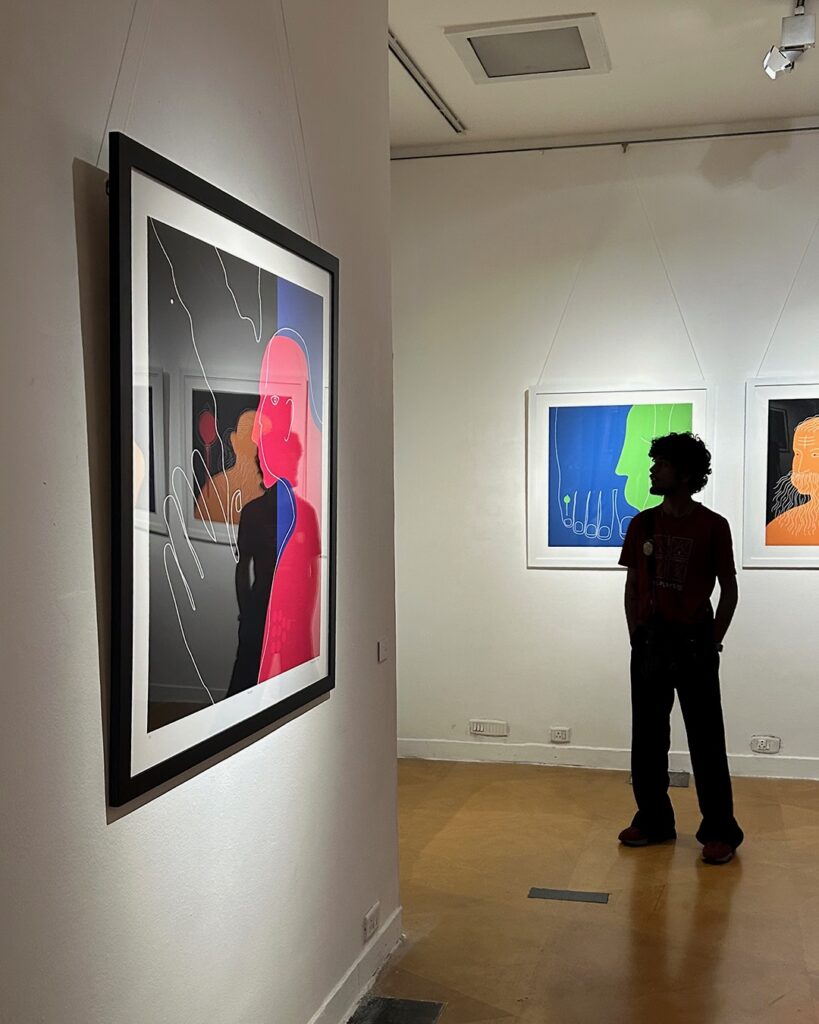
Rawat’s strongest achievement is the development of an imagery that feels unmistakably his own. Figures hover between representation and abstraction; contours appear decisive and then dissolve; saturated colour operates not as background but as an active pictorial force. His images are immediately legible but never entirely surrendered to the first glance.
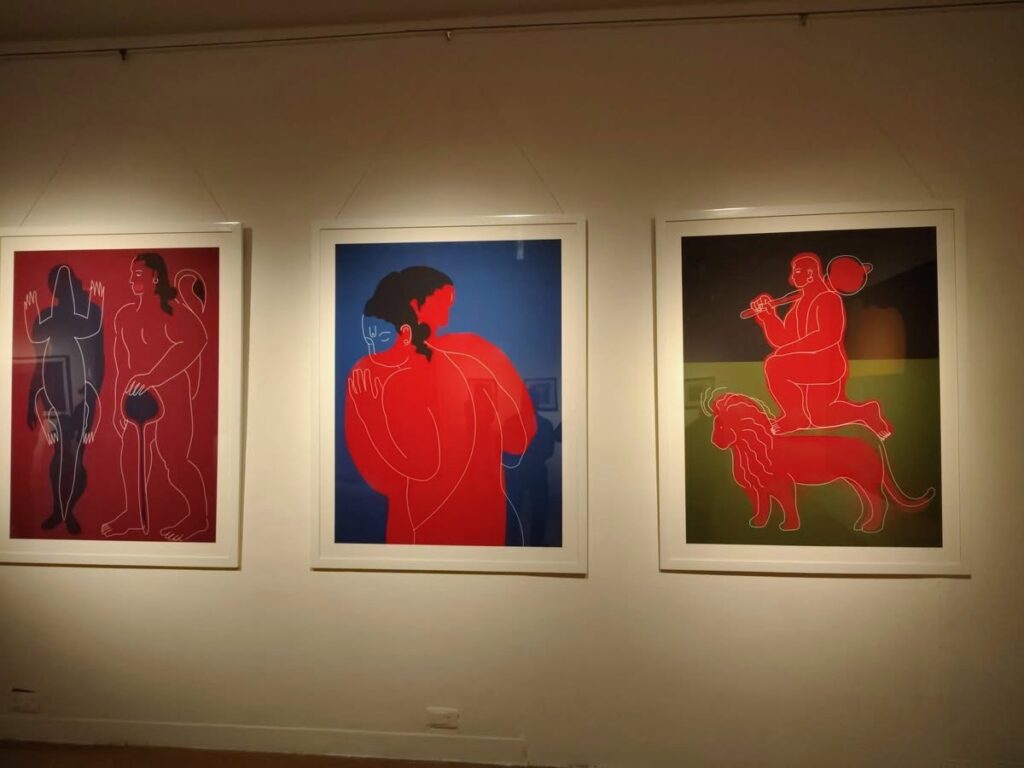
That places his work comfortably within an international contemporary language in which artists are again exploring the unstable border between the recognisable image and abstraction. At the same time, digital practice itself has matured beyond technological novelty, major contemporary institutions increasingly present the screen as simply another legitimate pictorial field rather than a lesser substitute for canvas.
Rawat enters this international conversation on his own terms, with a visual language that remains distinctly his.
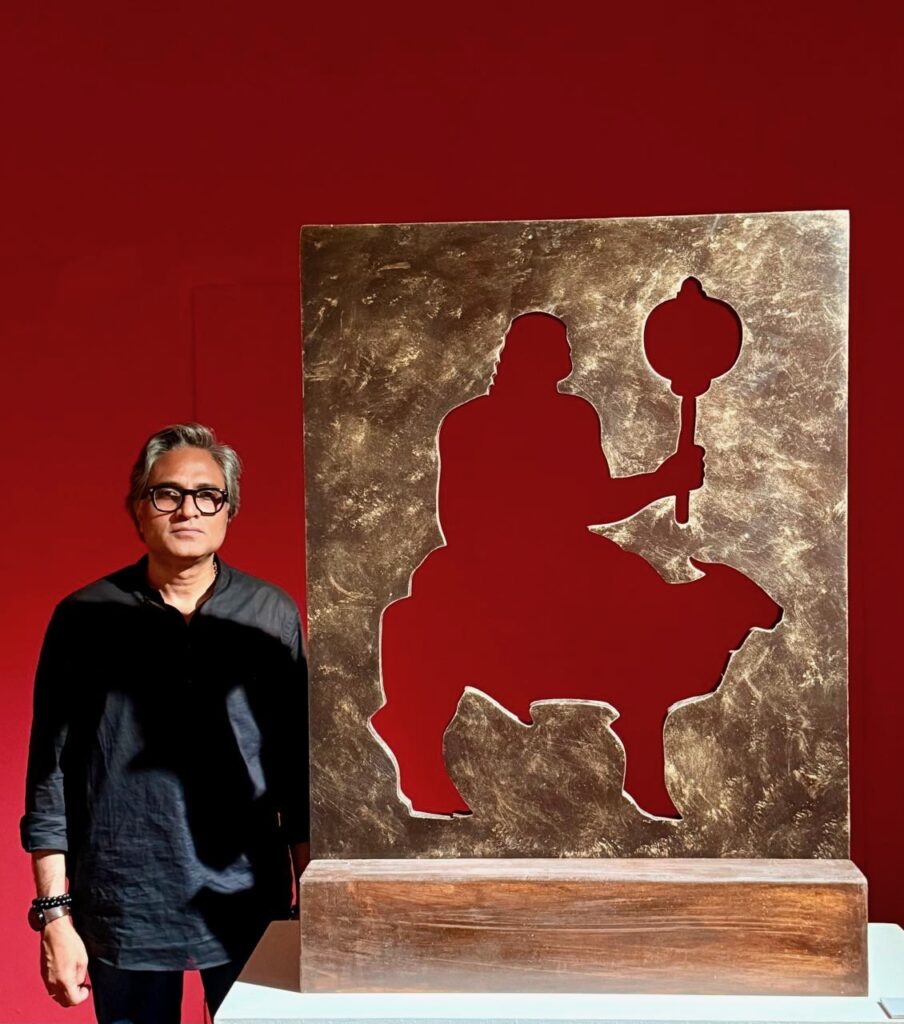
His cultural references may originate in India, but his formal language is not confined by them. A figure may carry mythic associations in one work, psychological tension in another, or become almost entirely an arrangement of line, colour and space. His sculpture carries the same visual language into three dimensions, showing that Rawat’s distinctive approach is not tied to any one medium but forms part of a larger, coherent artistic practice. There is confidence in the economy of these images. Rawat knows when an image has said enough.
In an international art culture saturated with pictures and increasingly effortless digital effects, that restraint matters. The originality of Rawat’s work lies not in technology, nor even in subject matter, but in transformation, he takes inherited forms, contemporary tools and a highly personal instinct for image-making and turns them into something recognisably, persuasively his own.eom GNI
Be the first to comment on "Anil Rawat: Beyond the Digital Surface"