
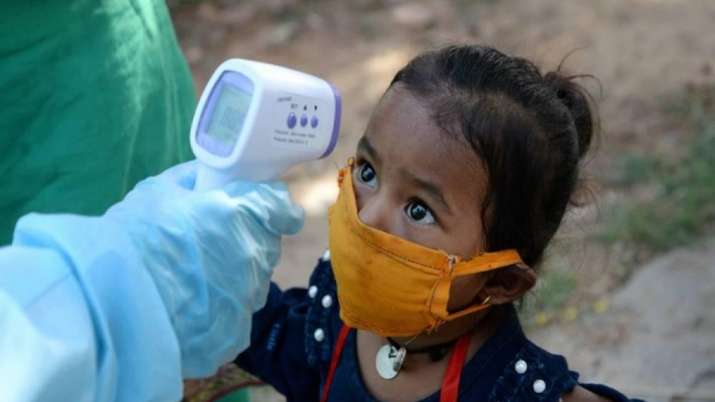
· Vaccine supplies should be sufficient for child vaccinations
· A robust surveillance system is critical
· Need National policies on vaccinating children
Mumbai, 22nd November 2021 (GNI): All approved or emergency use authorized vaccinations have demonstrated ability in protection against moderate to severe Covid illness in people above 18 years of age. mRNA-based vaccine by Pfizer (BioNTech) has been given emergency use authorization in USA for children above 5 years of age. Inactivated virus-based vaccine (Covaxin) and DNA-based vaccine (ZyCoV-D) have been tested in children in India. While Covaxin is tested in children aged 2 to 18 years, ZyCoV-D is tested in children aged 12 to 18 years. ZyCoV-D has received emergency use authorization in children aged 12 to 18 years. Subject Expert Committee (SEC) of the Central Drugs Standards Control Organization (CDSCO) has recommended Covaxin for use in children aged 2 to 18 years in October. However, it is awaiting the approval of drug regulator says Dr Krishna Reddy Nallamalla, President, InOrder, South Asia Regional Director, ACCESS Health International.

Dr Krishna Reddy Nallamalla President, InOrder, South Asia Regional Director, ACCESS Health International.
Now that the vaccines have been tested and approved for use in children, there is an ongoing dialogue and debate on use of Covid vaccines in children. Covid pandemic can be controlled only when a critical proportion of the population has immune protection either from natural infection or vaccination. This ranges from 65 to 85% of the population according to the reproduction rate (R0) of the viral variant. Children aged 18 years and less constitute nearly 40% of the population in India. Hence, it is critical that enough children also have immune protection for the country to reach herd immunity to stop the pandemic.
Governments across the world are adopting a policy of giving priority to people at risk for higher rates of hospitalization and death in the face of vaccine supplies not commensurate to the needs. Global bodies are also urging nations to consider priority setting in the global context and not just in national or subnational context as the world is not safe until enough proportion of the world population has immune protection. These pose ethical dilemmas to policy makers in every country. The same ethical dilemma is playing out in the context of vaccination for children. We have to ensure that the most vulnerable (elderly, people with multiple morbidities, and people with compromised immunity) receive mandated doses of vaccines before we consider Covid vaccines for children. The same ethical dilemma is in the case of giving booster doses.
Children should be vaccinated if the supplies are available after vaccinating eligible adults. Though children have very low risk for developing moderate to severe illness, infected children can continue the viral transmission to unvaccinated vulnerable adults. In addition, it will enable children to attend their schools as before. Long term physical, mental and scholastic effects of prolonged absence from schools on child development will be known only in coming years.
The issue of booster doses is also playing on policy related to vaccinating children. It is now apparent that the immunity wanes over time after vaccinations. Booster doses are already being recommended to vulnerable people in many countries. Some countries are taking a decision to give booster dose to everyone. Evidence is gradually mounting that points to a need for annual boosters against Covid illness akin to flu vaccines. Booster doses to adults may take priority over vaccines for children in near future.
Studies are demonstrating safety of vaccines in children. However, post vaccination surveillance has to be more robust in children to identify potential safety issues in future. The risk to benefit ratio will be different in children compared to adults given the very low risk of developing moderate to severe illness in children. A concern was raised on the potential risk of developing myocarditis in young males with mRNA vaccines. However, it was concluded that the benefit of vaccines outweighs the rare complication of self-limiting myocarditis. Given weak surveillance systems in India, it is highly critical that a good surveillance system is in place before taking the policy on vaccination in children.
In summary, children should be vaccinated if supplies are sufficient. A robust surveillance system is critical to address safety concerns. National policies on vaccinating children have to address global inequities and priority setting in the context of demand-supply mismatch, stated in the press release.ends
Be the first to comment on "Covid vaccination in children – the next dilemma"